Interview Prep Checklist for Students and New Grads
Use this interview prep checklist to tighten your stories, improve delivery, and show stronger ownership in competitive early-career interviews.
Like this article? Join the weekly newsletter.
Create a free account for weekly resume, interview, and outreach tactics from the same content engine.
Strong interview performance usually comes from preparation, not confidence alone. The candidates who sound calm and clear often have already practiced the structure behind their answers.
Use this checklist before your next interview.
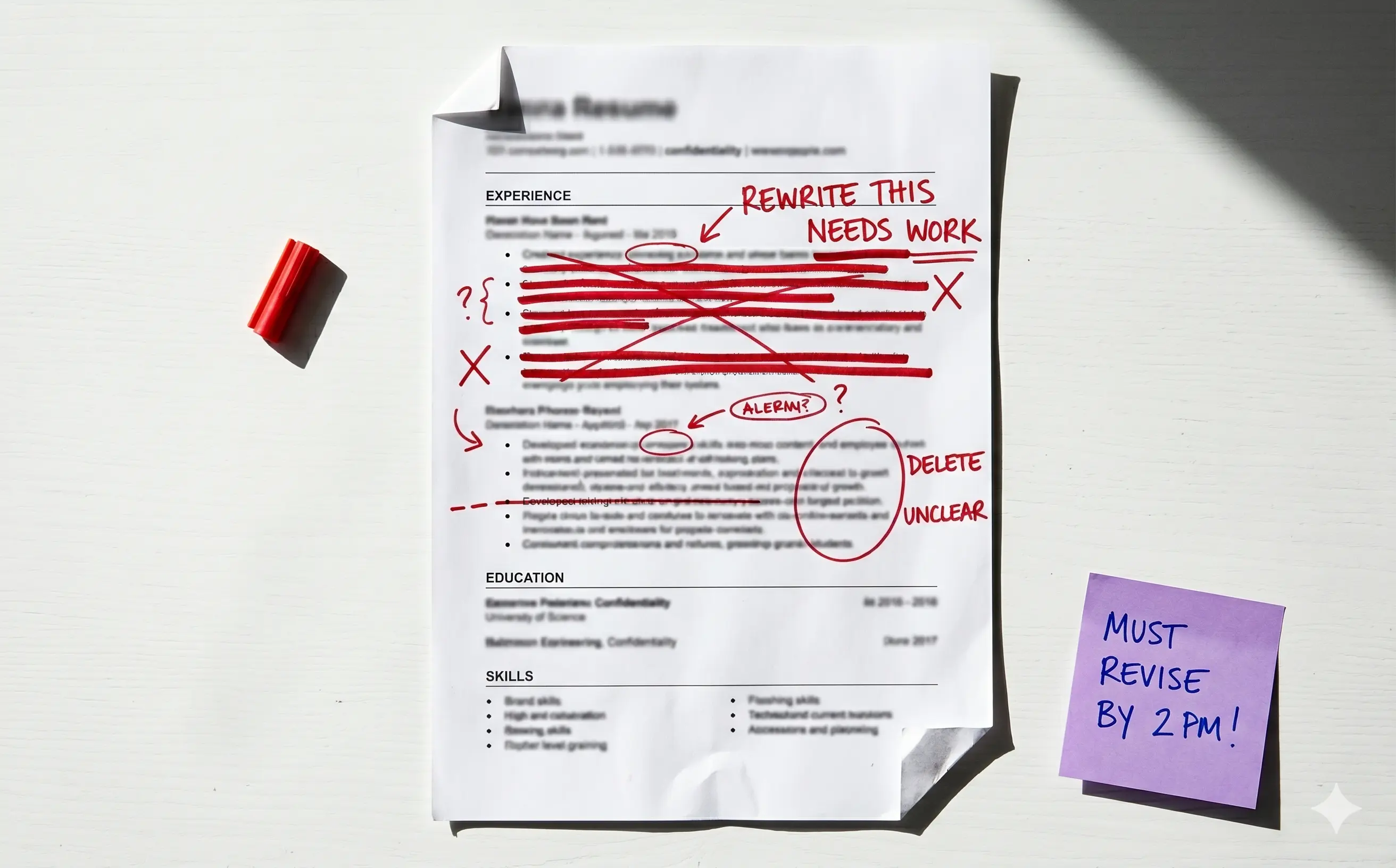
1. Re-read the job description with a marker
Highlight the signals that show up more than once:
- ownership
- communication
- execution
- tools
- stakeholder work
- problem solving
Then map your best stories to those signals. Do not prepare answers in isolation from the role.
2. Prepare five high-utility stories
For most early-career interviews, you can reuse a small set of stories if you know them well.
Prepare examples for:
- a hard problem you solved
- a time you worked with others
- a project you owned end to end
- a mistake or setback
- a situation where you improved a process
Use the STAR structure, but keep the "Action" and "Result" parts heavier than the setup.
3. Tighten the first 30 seconds
Many answers start too wide. Practice sharper openings:
- name the situation
- state your role
- say what you were trying to achieve
That helps the interviewer trust that you know where the answer is going.
4. Practice out loud, not just in your head
Silent prep creates the illusion of readiness. Spoken practice exposes where your answer:
- rambles
- loses the result
- skips context
- sounds uncertain
If you need a faster repetition loop, the interview practice demo is the right model to copy. The goal is not perfect scripting. It is faster feedback and cleaner delivery.
5. Prepare smart questions
Good questions signal judgment. Weak questions signal that you did not prepare.
Strong options include:
- What does success look like in the first 90 days?
- Where does this role create the most leverage for the team?
- What separates a solid candidate from a great one here?
6. Check your setup for virtual interviews
Do this at least 30 minutes early:
- test camera and microphone
- close noisy tabs and notifications
- keep your notes short and visible
- make sure your lighting is in front of you
Small setup mistakes create avoidable stress.
7. Send a follow-up that adds signal
Your thank-you note should be short, specific, and timely. Mention:
- one part of the conversation you found useful
- why the role still feels like a fit
- one thing you would be excited to contribute
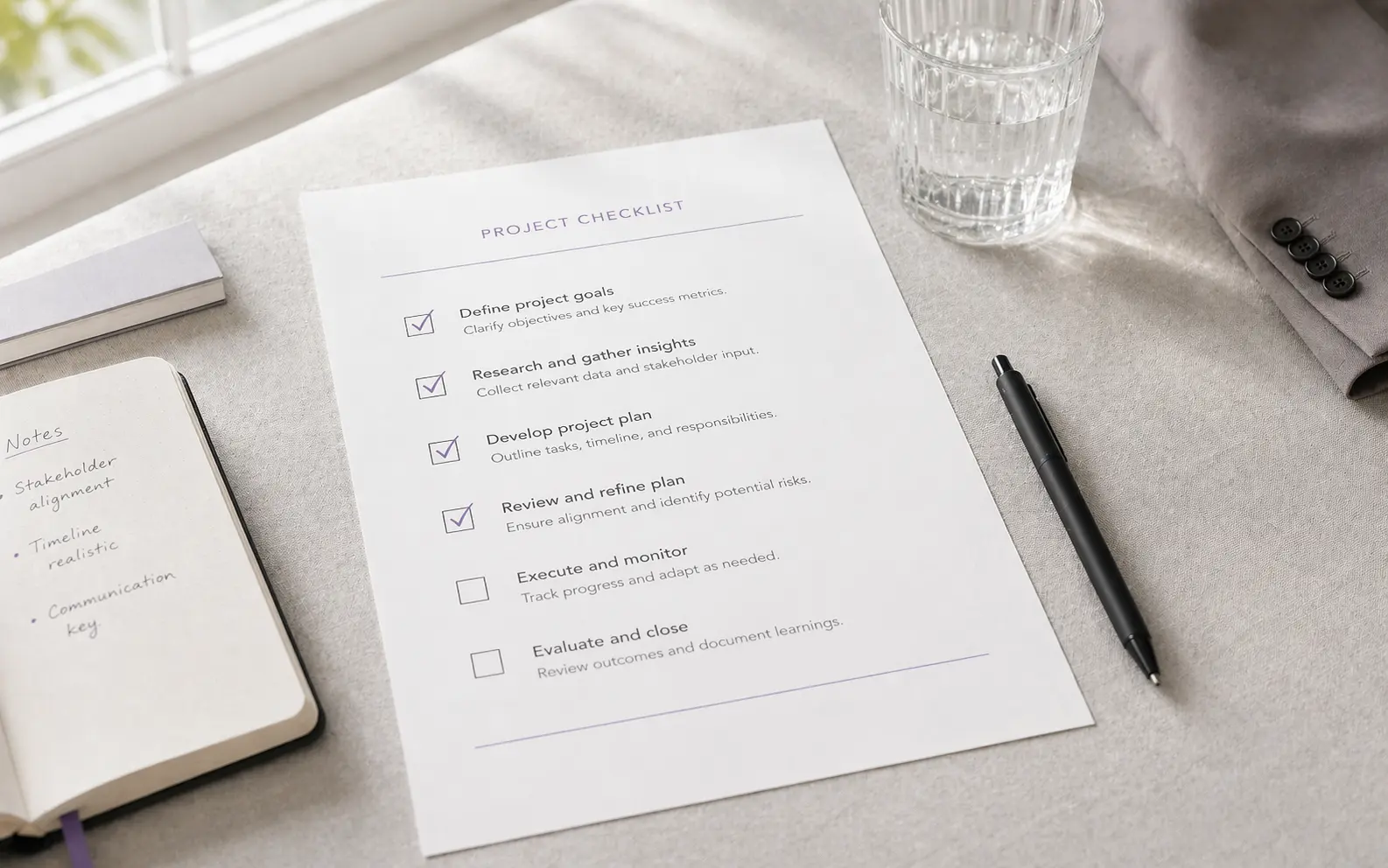
Final checklist
Before the interview starts, make sure you have:
- five prepared stories
- a clear answer to "Tell me about yourself"
- two strong questions
- a clean setup
- one sentence on why this role fits now
Preparation does not make you sound robotic. It gives you enough structure to sound natural when it matters.